The distance between farm and fork is never far in northern Tasmania. Here’s an insider’s guide to Launceston and the Tamar Valley.
IT wasn’t family or friends that brought us to northern Tasmania from Sydney. Or jobs or real estate. It was nothing more than a feeling.
We came via Hobart, where we waited out the Covid years. Northern Tasmania held the promise of something greener, sweeter, gentler, but also an entrepreneurial energy I missed in the southern city with its public-service enclaves. It felt like good people with good ideas could do good things in the north.
Two years later, I still have that feeling. We didn’t find the little vineyard we fantasised about, but we did find a home in Launceston with a century-old garden, and good people with good ideas. I love the little city’s intact streetscapes, like an architectural textbook in places.
I love living so close to the Tamar Valley, Tasmania’s oldest winegrowing area. I love the city’s un-cheffy love of good food and wine. Launceston was named a UNESCO City of Gastronomy in 2021, which has very little to do with fine dining and everything to do with the network of people who make, grow and feed us.
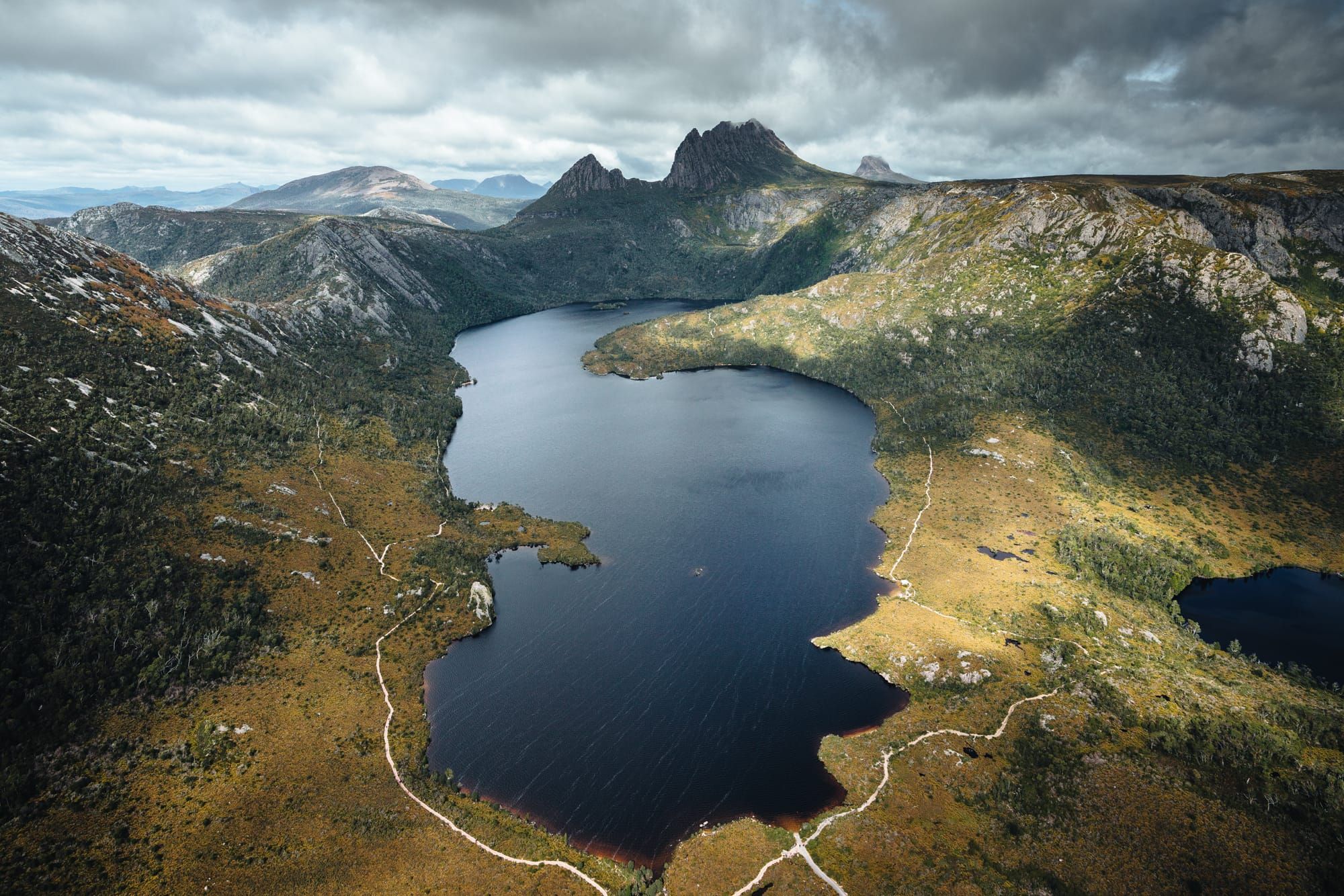
We’re a two-hour drive from Cradle Mountain and Freycinet Peninsula, a proximity that still astonishes me, and I’ve fallen heavily for north-west Tasmania: a region so diverse, so beautiful, it demands repeat visits.
Here are a few of my favourite things. Just click on the drop-down menus for my suggestions about where to eat, drink, stay and what to do. And we'll also be joined by sparkling winemaker Natalie Fryar to hear how she'd spend her dream day in northern Tasmania.
“Sexy” and “steakhouse” are usually oxymoronic concepts, yet here we are lounging on a banquette
in a low-lit, glamorous little bistro behind an Art Deco facade, ordering martinis and oysters and warming up with Tamar Valley pinot noir for the best-in-show beef produced in Tasmania. The cuts are dry-aged, grass-fed and sourced from farms mainly in the island’s north-west, then chargrilled with precision.
A mighty rib eye on the bone from Cape Grim arrives, aged for 40 days, perfectly charred and well rested, with a brick of potato galette that demands some house-made kimchi. Or ask for grated fresh wasabi, grown locally. Also ask for the price of cuts sold by weight to avoid surprises, and wear your sexiest eating pants. Now, there’s an oxymoron.
70 George St, Launceston
This destination restaurant was flying the flag of northern Tasmania’s exceptional produce long before “seasonal” and “regional” became household words. Ahead of its time 20 years ago, its style of unpretentious but refined dining seems spot-on right now. The setting is a restored 1840s flour mill on the riverbank, which supplies the peaceful, still-water views, and interiors dominated by heavy old beams and a heritage industrial vibe.
Produce is steadfastly local, from the wagyu to the wallaby, and the wine list is an excellent primer on the future of Tasmanian wine.
We always order the luxe ingredients we have no idea how to cook: the southern rock lobster (note: locals never call it anything other than crayfish) and west-coast abalone, Scottsdale pork belly and Bass Strait scallops.
2 Bridge Rd, Launceston
This is a glass-half-full kind of place, a simple, light-filled dining room off a cellar door, with breezy service, artfully twiggy light fittings and vineyard views. Share plates are the go, featuring simple, robust flavours enhanced by woodfiring. Almost everything gets a lick of flame, from the focaccia to the Basque cheesecake.
The drinks list includes Velo wines grown just outside and plenty of interesting drops by small Tamar producers. Menus change frequently—do not pass up the devilled eggs or the caramel-miso-honeycomb
dessert if they materialise.
Velo Wines, 755 West Tamar Hwy, Legana
Who knew that beer and pizza were so compatible with a rugged, outdoorsy life? This cavernous brew-bar and dining hall takes design cues from its former life as a camping store, and its name from the Du Cane Range, in the bushwalking epicentre of Cradle Mountain-Lake St Clair National Park. Even the brewer, Will Horan, is a former mountain guide.
There’s a sense of retro fun in features such as the long bar clad in striped tent canvas, a wall hand-painted with walkers’ mud maps, and the seating area covered in child-friendly fake turf. There’s even a kids’ climbing wall out back.
Order a Du Cane beer, brewed onsite, and a pizza from the big woodfired oven and plan your next summit climb. Collect your fishing licence at the bar on the way out.
60–64 Elizabeth St, Launceston
Google Maps says it’s a 40-minute drive north from Launceston CBD to Clover Hill Wines, in the Pipers River district, but it’s best to dawdle along either side of the Tamar River and arrive unhurried for a winemaking masterclass, or a tasting workshop or, better still, a structured tasting of Clover Hill’s sparkling wines with a weekend lunch of six small but well-formed courses.
Sunlight floods the angular, origami-like cellar door, which opens onto serried rows of vines destined for a sparkling future.
60 Clover Hill Rd, Lebrina
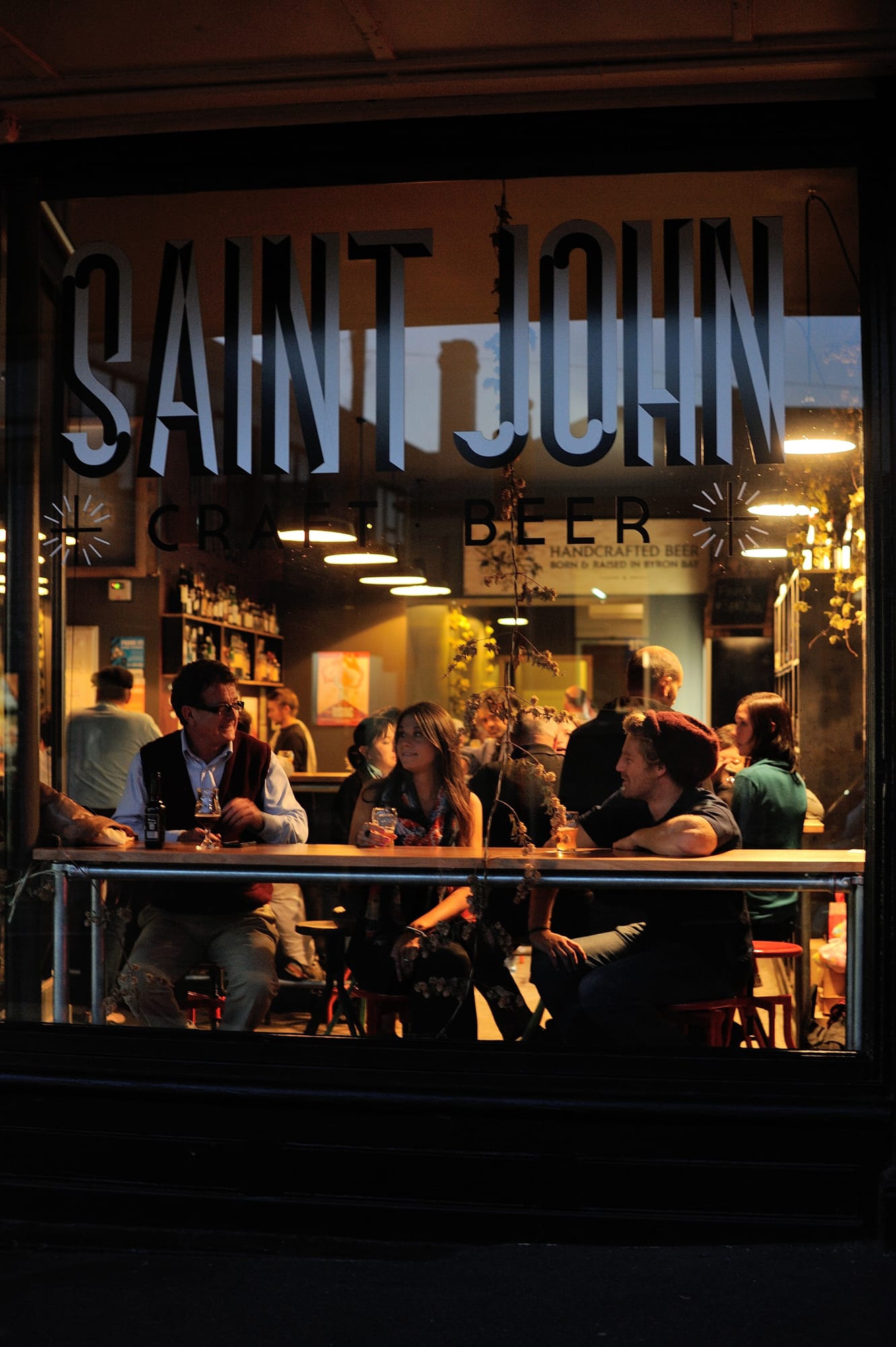
Imagine you’ve just come in from the Overland Track, seven days without a shower or solid food or alcoholic sustenance. Like a balm on blisters, St John Craft Beer is open every day (repeat, every day) from noon till late, serving 17 or so craft beers on tap, more than 100 world beers in bottles and cans, as well as ciders, wines and top-shelf spirits.
The bar is generous with its tastings, allowing thirsty patrons to decide whether to team that rich beef wellington burger or pork jowl taco with, say, a Bonehead stout from Melbourne or an Albert Brewery lager from Hobart.
Low-lit and welcoming, this is the place to survey the craft beer movement and hydrate after mountain biking.
133 St John St, Launceston
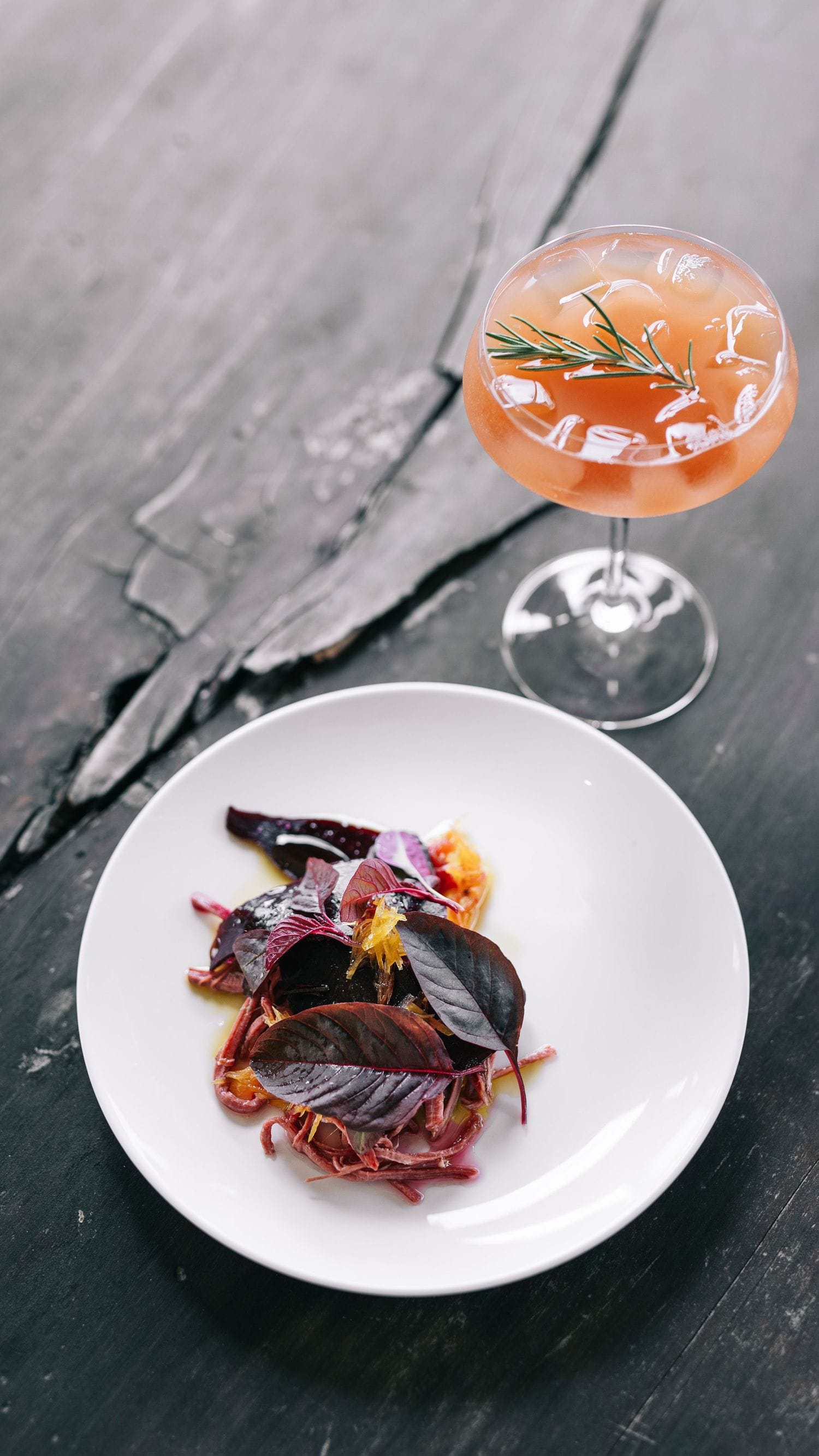
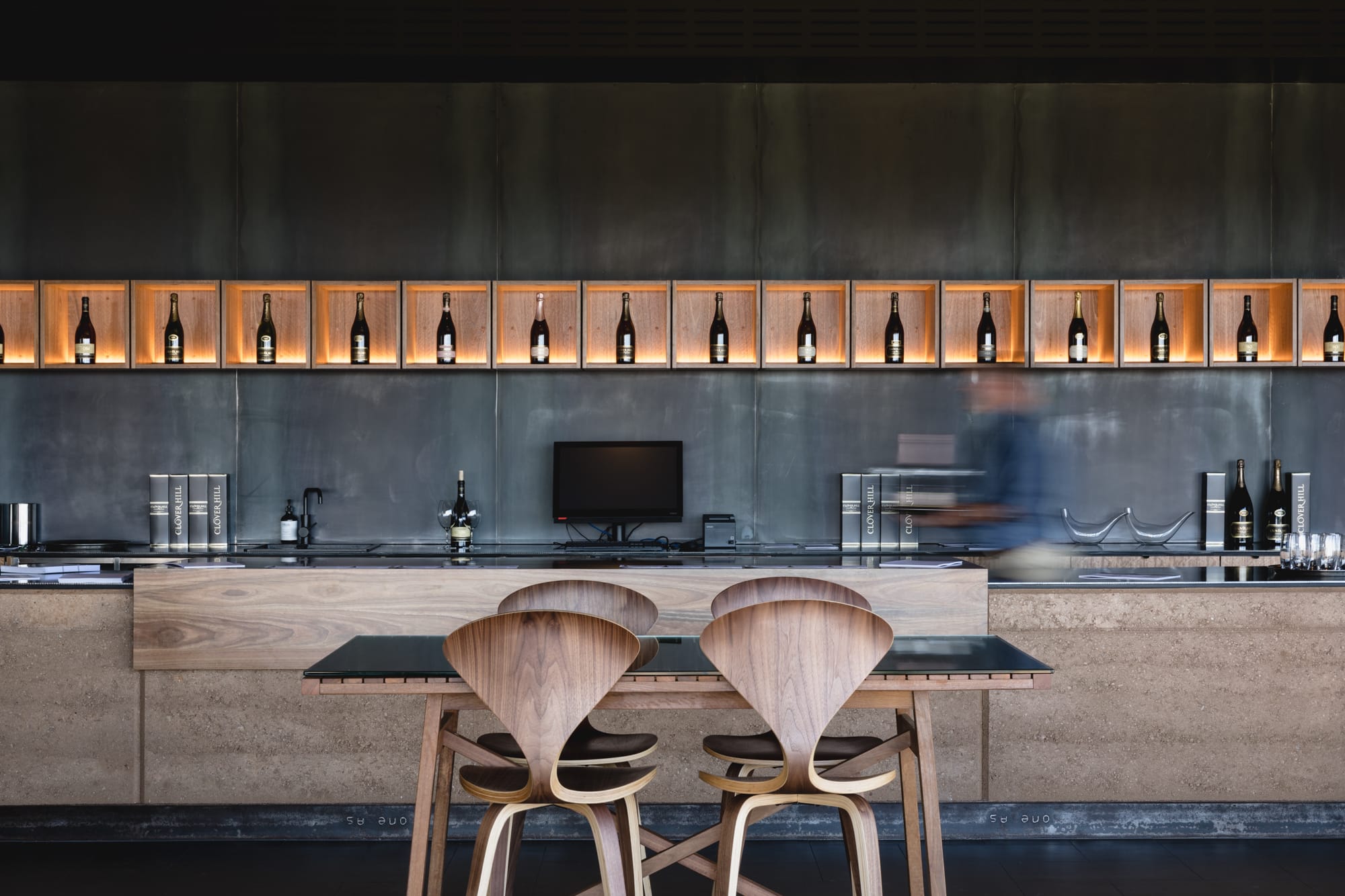
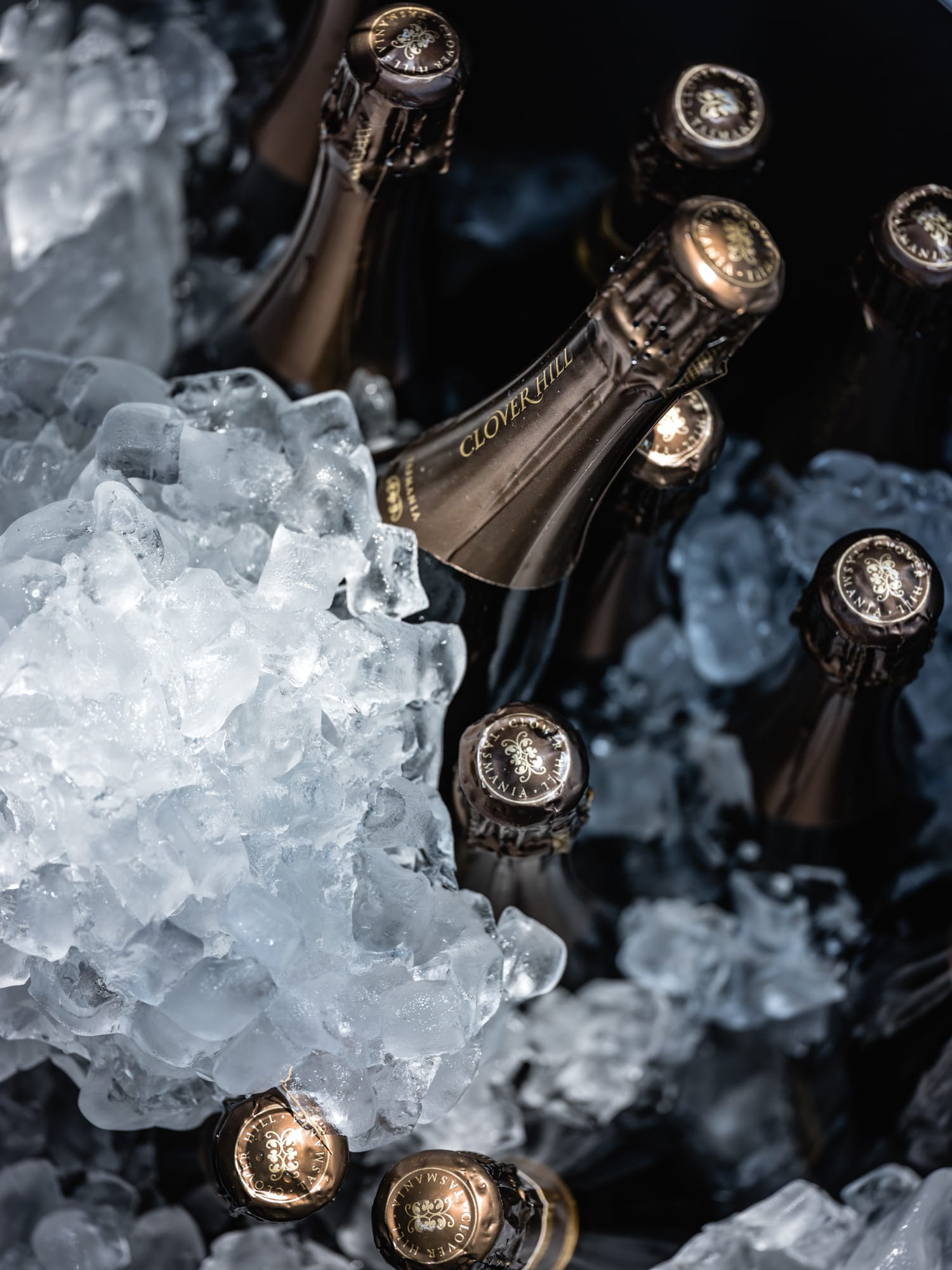
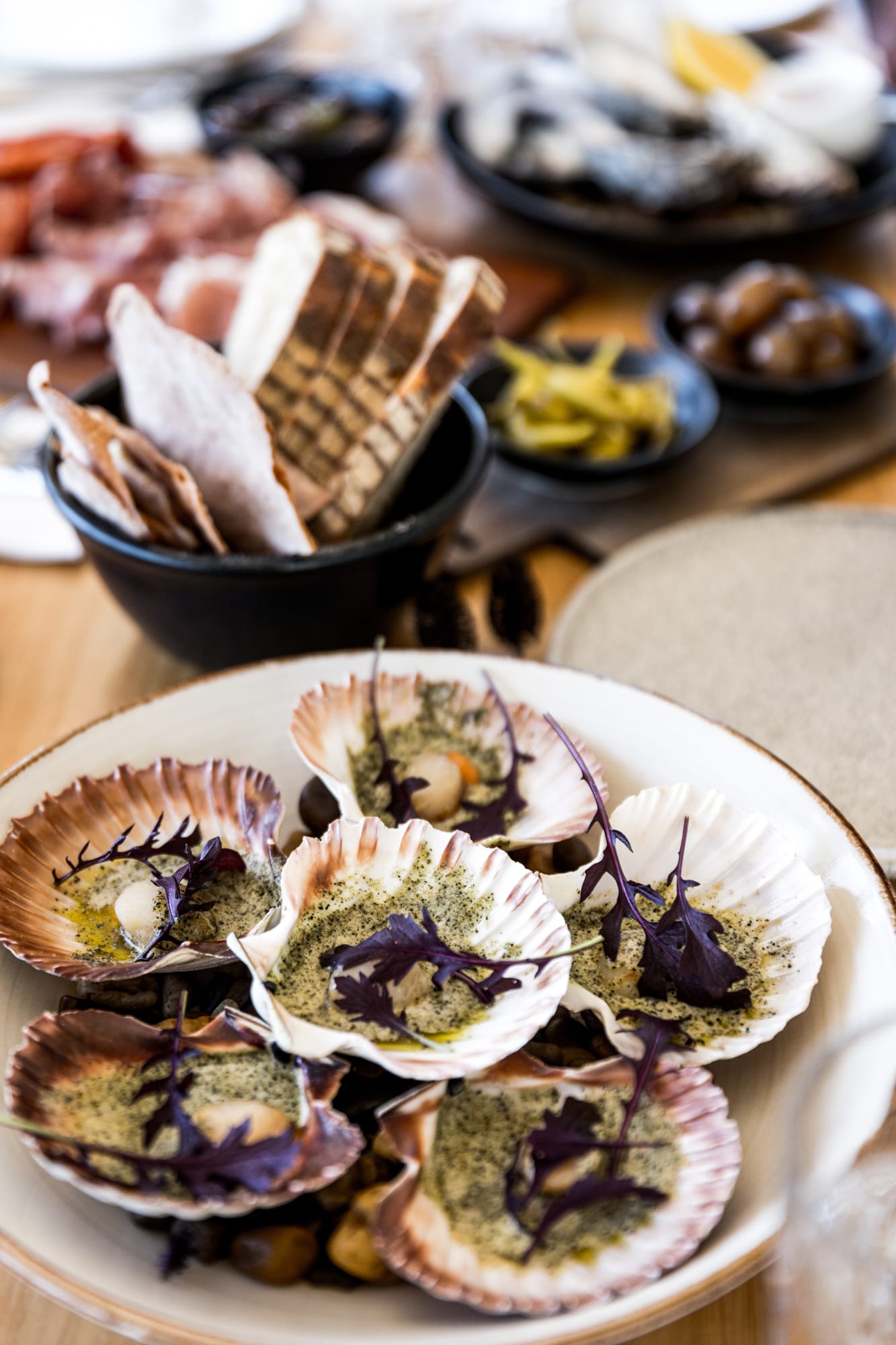
Clockwise from top left, cocktail time at Timbre, Clover Hill vineyard and cellar door, scallops at Stillwater and Clover Hill Wines' cellar door.
There are country drives, and then there’s the Tamar Valley Wine Trail, through a star-studded valley of vineyards, farms, forest and the constant presence of the river that sustains it all. Tasmania’s oldest winegrowing area spans 32 vineyards within easy driving distance of Launceston. Choose
a cellar door, any cellar door, for a quick tasting, or join the dots between vineyards along both banks of the Tamar.
With a cool climate and conditions that resemble the French region of Champagne, the valley’s stellar sparkling wines and pinot noir are the ones to watch. A few of our favourite cellar doors: Stoney Rise, Clover Hill, Bay of Fires, Holm Oak and the summer’s newest cellar door at Utzinger Wines.
Increasingly, cellar doors offer tastings for a fee, typically $15-$20, and some need pre-booking. Book a tour or a private driver so no-one need draw the short straw.
HARVEST LAUNCESTON COMMUNITY FARMERS’ MARKET
Every Saturday morning, no matter the weather, about 50 farmers, brewers, butchers, bakers and cheesemakers come to town, set up stalls and do brisk business in an inner-city carpark. This is Launceston’s meeting place and a true taste of northern Tasmanian produce and life.
Harvest, as the locals call it, is a community initiative staffed by volunteers. This is the place to chat with farmers and taste distinctively Tasmanian produce: new-season potatoes (few things are anticipated more keenly than the arrival of pink eyes), truffles, berries, roasted hazelnuts, leatherwood honey and heirloom apples. It’s the place to buy lattice-topped cherry pies and ethical smallgoods, saffron and Venezuelan-style cheeses. People stand around and chat with frost on their breath, freshly roasted coffee in hand and bunches of peonies and Dutch carrots under their arms. As wholesome as it gets.
Saturdays 8.30am–12.30pm,
71 Cimitiere St, Launceston
WALK THIS WAY
You don’t have to walk far—not even far from decent coffee—to find the island’s best day walks and the full scope of Tasmanian landscapes. Exhibit A: Cataract Gorge is a rare slice of wilderness just a stroll from Launceston’s 1890s GPO.
Ignore the slightly creepy peacocks that flash themselves on the lawns and strike out on the heart-starting Zig Zag Track or cross the suspension bridge over the torrents and poke around the old Duck Reach Power Station, now an industrial museum.
An easy two-hour drive from the CBD, meanwhile, lands you and your walking boots at the entrance to Cradle Mountain-Lake St Clair National Park, the island’s premier walking destination. There’s the aptly named Enchanted Walk, an all-ages 20-minute circuit, and the Dove Lake circuit, the definitive Cradle short walk in 2–3 hours.
There’s no contest, of course, but we reckon the best of Tasmania’s 60 Great Short Walks, a handy guide compiled by Tasmania Parks and Wildlife Service, are located in the north.
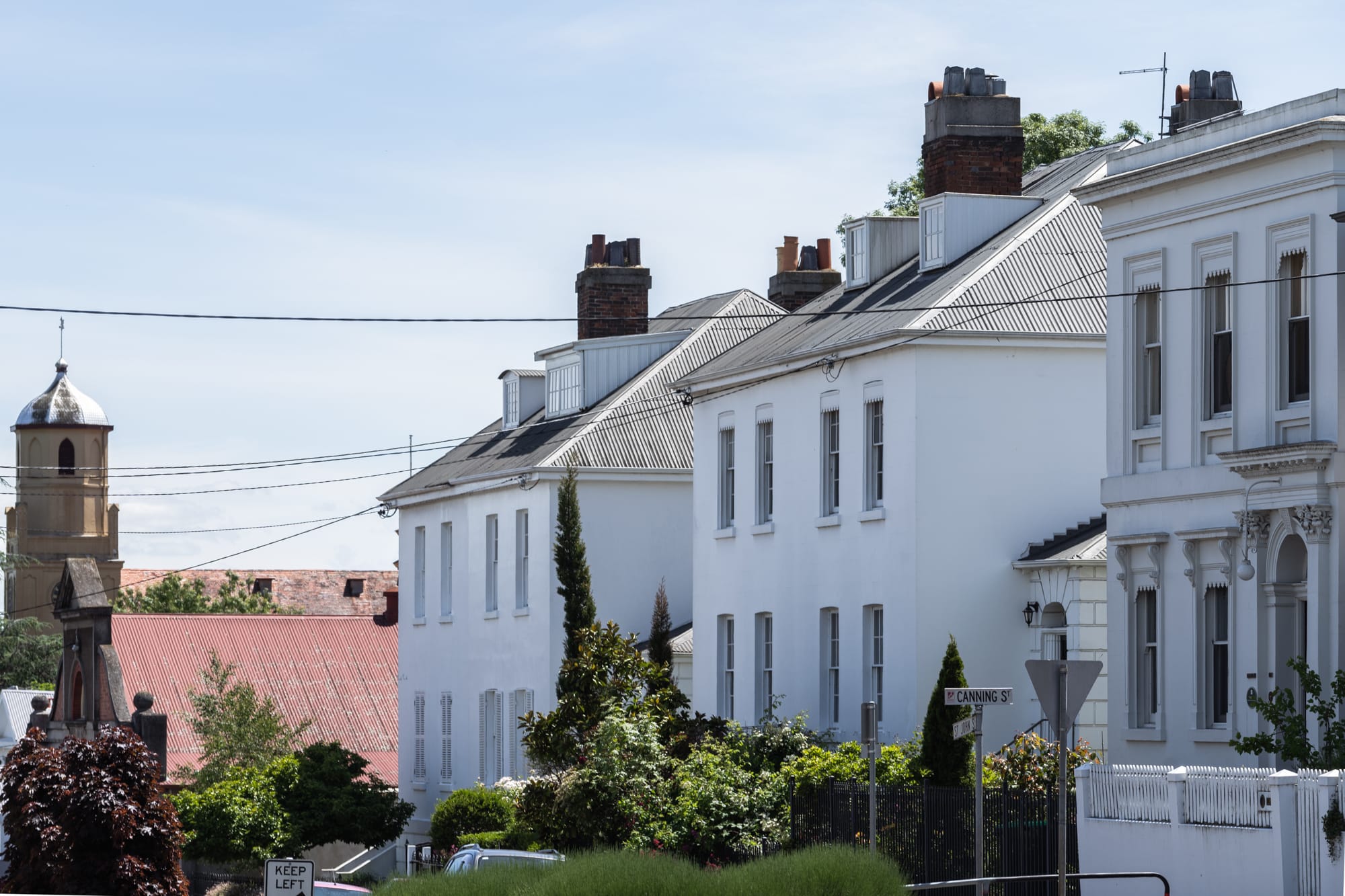
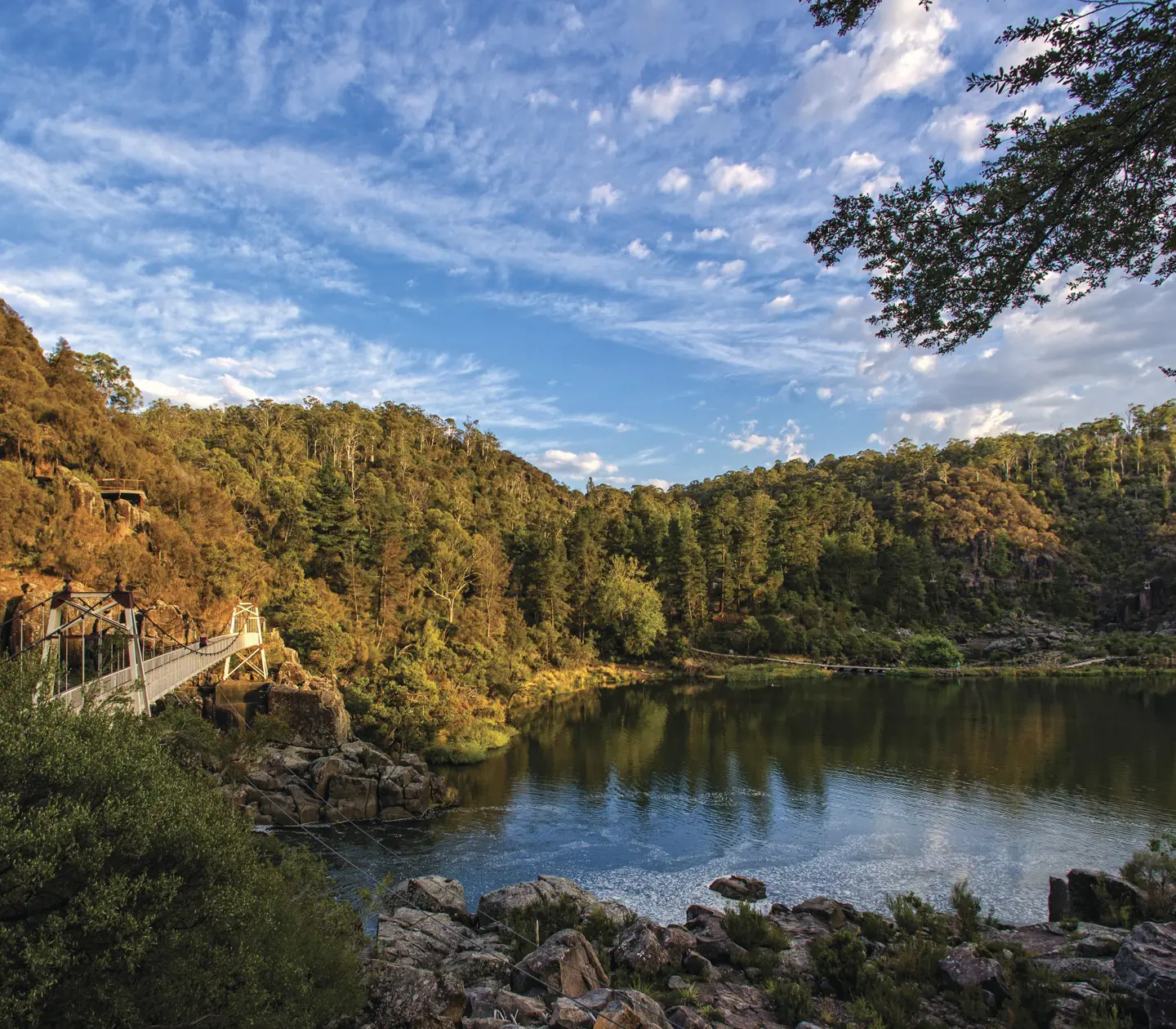
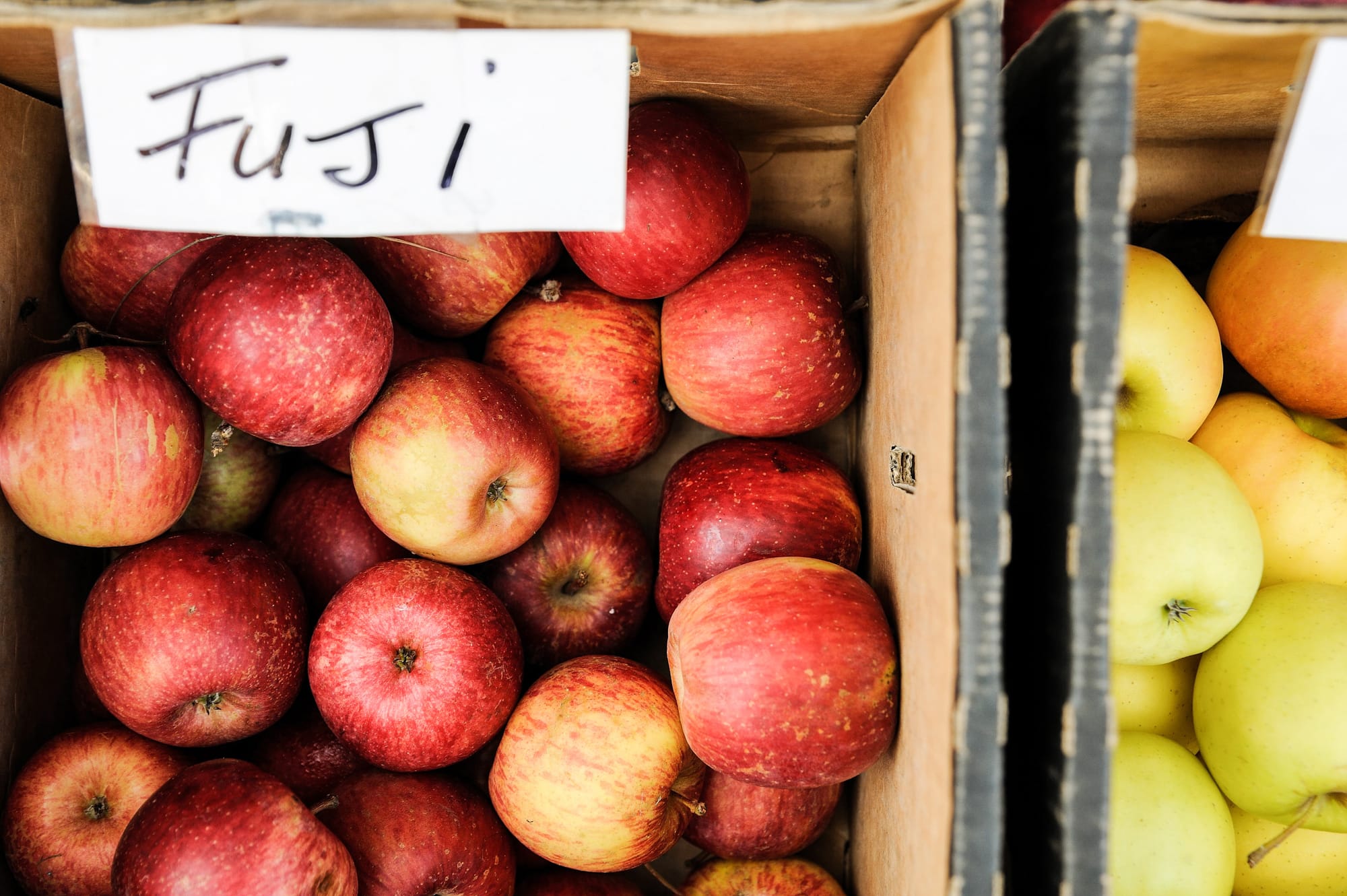

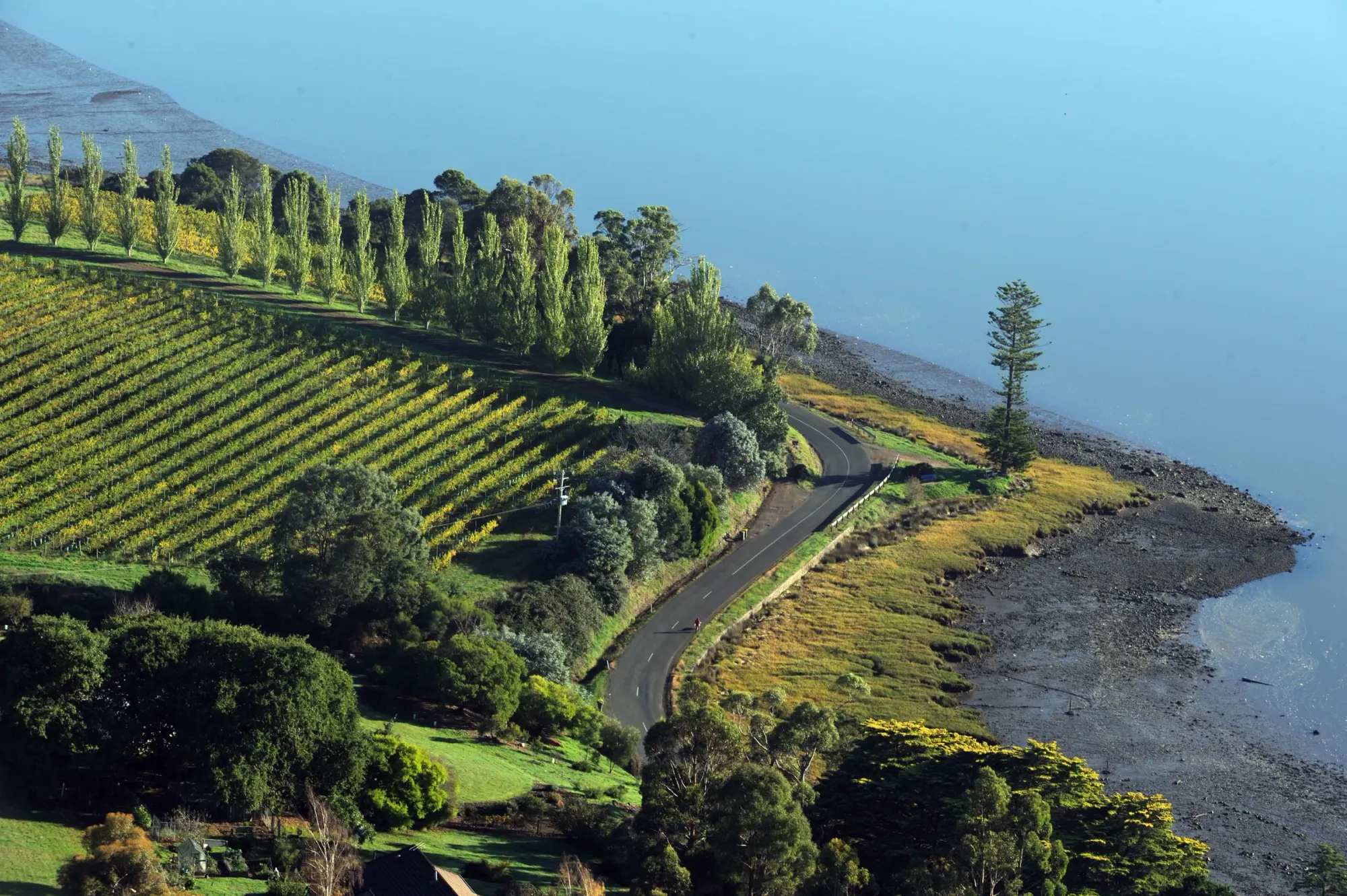
From top left, clockwise, A Launceston streetscape, Cataract Gorge, apples from Harvest, the Tamar Valley wine route and Dove Lake circuit.
The only thing better than having lunch or dinner (or both) at the riverfront restaurant Stillwater is heading upstairs for a long lie-down afterwards and a sleep-in next morning. Seven rooms in the city’s old flour mill are case studies in inspired heritage conversion. Like the restaurant downstairs, this is a showcase for local talent: the curved bar-pantries made from Tasmanian blackwood by Launceston craftsman Simon Ancher are something else.
Delightfully, breakfast is delivered in bed, with fresh croissants nicely warmed, your favourite coffee ready to pour. Gentle quizzing at the time of booking means everything is just-so: your favourite music playing, your favourite gin placed in your hand, your dinners booked, your helicopter waiting.
2 Bridge Rd, Launceston
Not too big, not too small, Launceston is a walker’s city and this new-build hotel is right at the heart of city life, near the riverfront promenade, City Park and next door to Harvest Market on Saturday mornings. In a nod to the industrial heritage of the precinct, Verge’s large rooms have exposed concrete ceilings, brass fittings, black joinery and views of Launceston’s streetscapes.
50 Tamar St, Launceston
DISCOVERY PARK-CRADLE MOUNTAIN
Not everyone is a happy camper, and not everyone wants to blow the holiday budget on hotels. So the new deluxe cabins and upgrades at Discovery Parks-
Cradle Mountain are quite the discovery. The location couldn’t be better: a short walk from the visitor centre at the entrance to Cradle Mountain-Lake St Clair National Park, at the heart of the Tasmanian Wilderness
World Heritage Area and scores of walking tracks.
New additions to Discovery Parks’ inventory of campsites, caravan sites, dorms and cottages are two-bedroom deluxe cabins with cosy gas log fires and aircon, fully kitted kitchens, comfy living-dining rooms, balconies
for spotting wallabies and echidnas and even underfloor heating in the bathrooms. Campsite kitchens have civilised dining areas, barbecues and—hello!—pizza ovens.
3832 Cradle Mountain Rd, Cradle Mountain
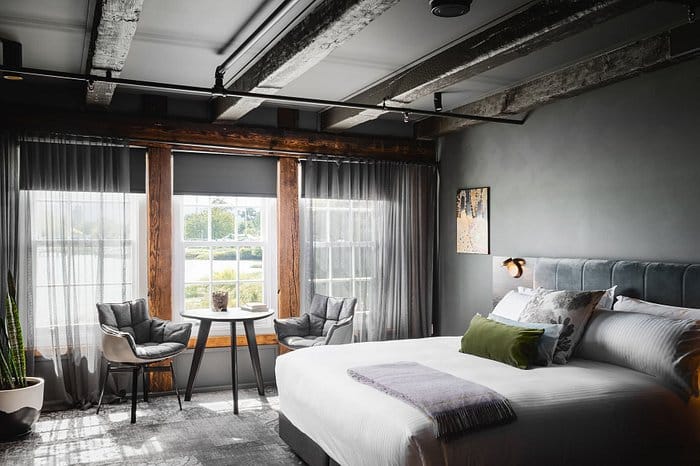
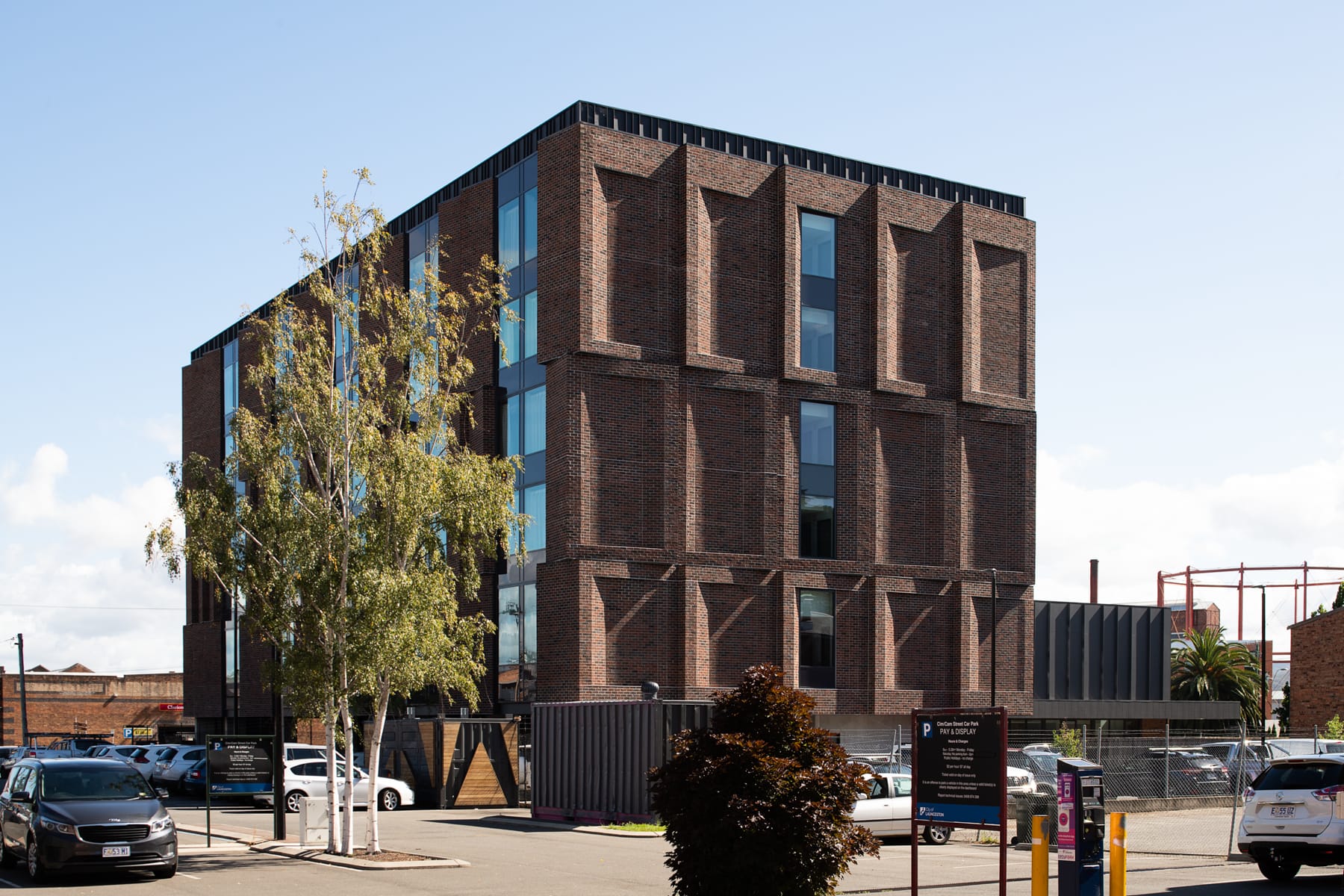
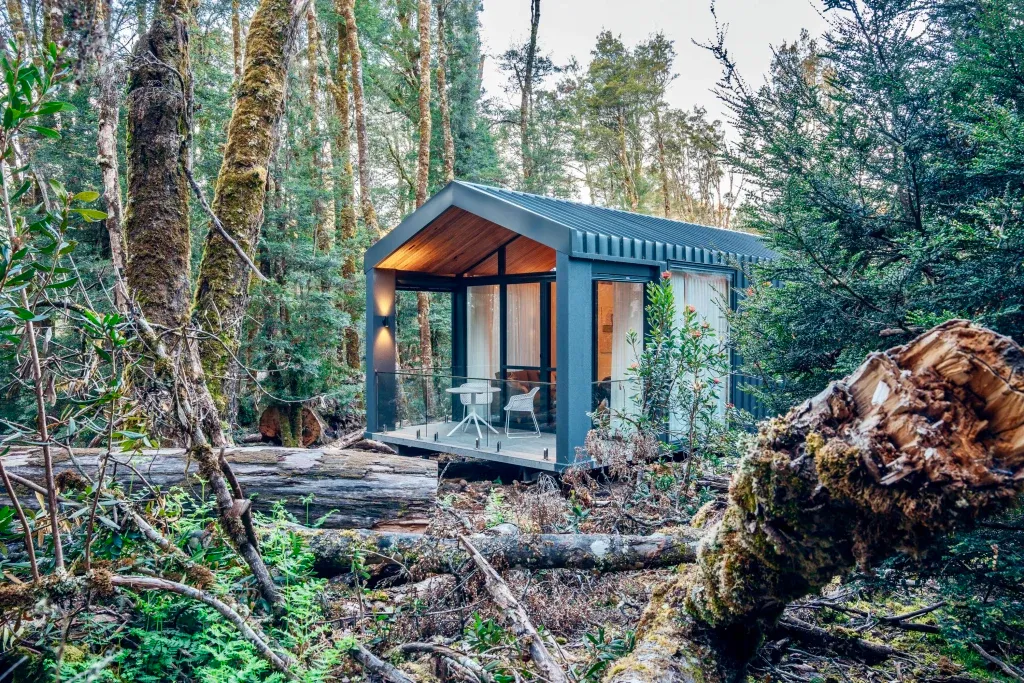
Clockwise from top left, one of the seven rooms at Stillwater, Hotel Verge in Launceston, and one of the luxury cabins at Discovery Parks-Cradle Mountain.
Sparkling winemaker and distiller Natalie Fryar heads out early and stays up late on her dream day in Launceston and the Tamar Valley.
Breakfast at Harvest Market on Saturdays is an essential weekly ritual. There are so many excellent producers, and all the locals come. My No. 1 stop is Delicious Little Things, where Raelene Bates makes the best canelés I’ve ever had, and also lots of other delicious little things. I usually swing by the Tasmanian Juice Press guys and poke around for new-season produce.
Then I’ll walk around the corner to Prince’s Square Bar, a tiny place and such a local hang-out. You never need plan anything—just show up and there’s always great conversation, great music and phenomenal coffee, overlooking the square and gardens.
Then I’d stroll a bit further and pop around the corner to Stockton & Co, to look at the art and homewares and beautiful handmade things. By this stage it’s time to slip down to QVMAG, Australia’s largest regional museum. It’s in two locations: if contemporary art takes your fancy you’ll head to the Inveresk museum; if you’re feeling more classical then head to the art gallery in Royal Park. Here you’ll also find The First Tasmanians permanent exhibition—quite amazing, and something I’d recommend to anyone who really wants to understand Tasmania.
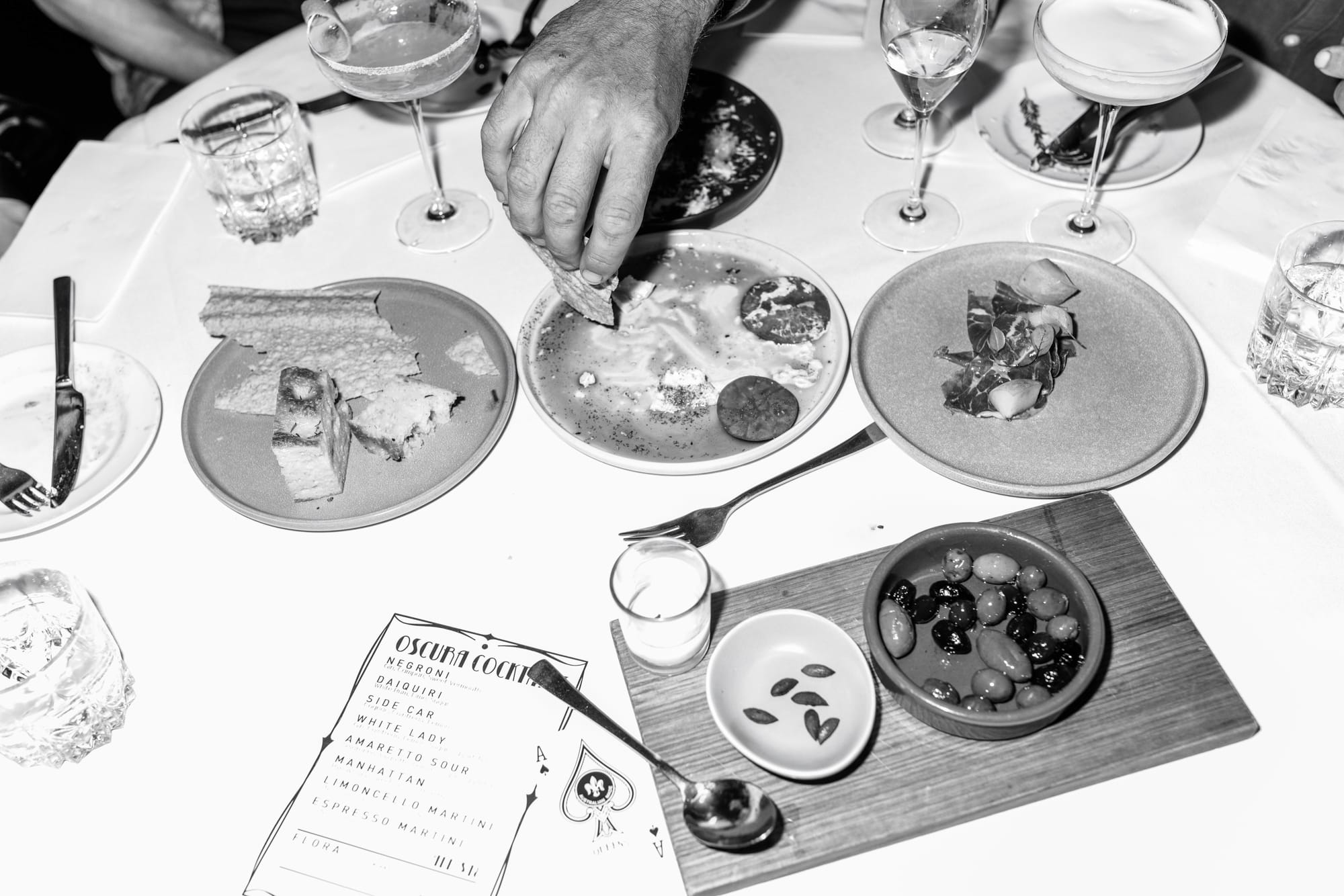
Then I think it’s time to jump in the car and head for lunch at Timbre, a light-filled room in a vineyard on Launceston’s northern outskirts. It has such a great lunch vibe, the people are super friendly, and you get to try a couple of local wines by smaller producers.
Ready for a country drive? Stick close to the Tamar River all the way north to the Batman Bridge, with the most beautiful views. This river has such an influence on our agriculture and our life here. If your guests fancy a tasting, I’d duck into the Stoney Rise cellar door, in a gorgeous building with Tamar views. Then cross the Batman Bridge and head back to town along the east bank of the river.
By then you’ll be looking for a little reviver. I’d pop into Bar Stelo for a glass or a cocktail, and ease into the evening. Pop next door to Stelo at Pierre’s restaurant for excellent handmade pasta or stroll down the road to Black Cow Bistro for absolutely top-of-the-range Tasmanian steak. For a nightcap, toast a dream day with a glass of Tamar vintage sparkling – maybe a Bellebonne 2017 vintage rosé.
Natalie Fryar makes sparkling wine for her own Tamar Valley-based label, Bellebonne Wines, and gins for her Abel Gin Co. label.